
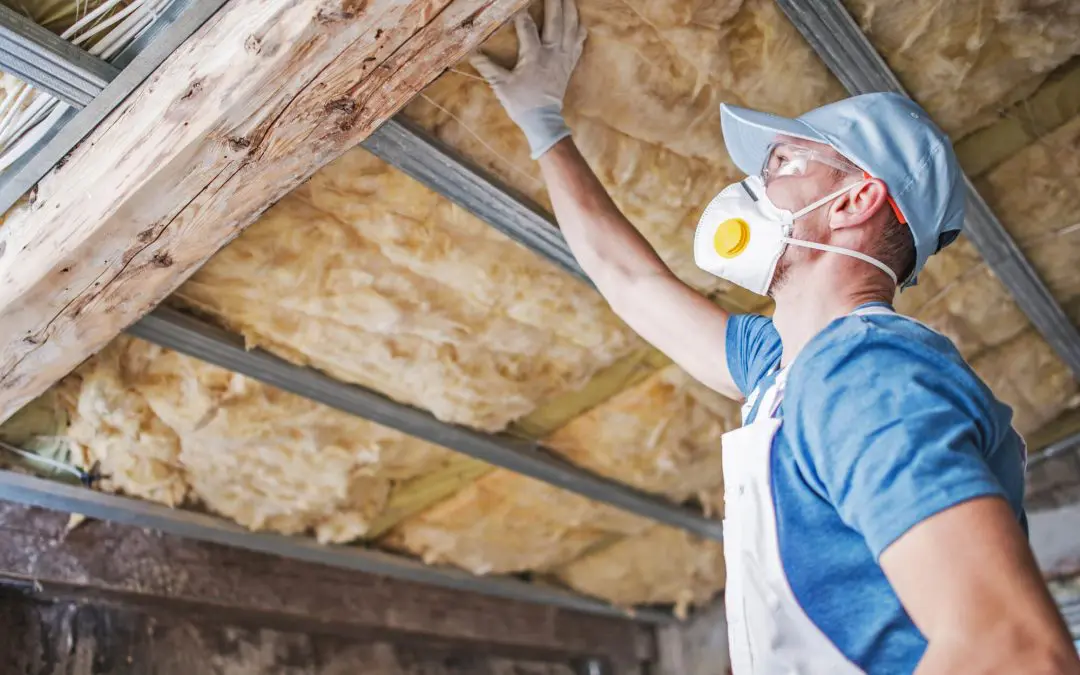
Home insulation is one of the most important yet least visible components of a house. While it often goes unnoticed behind walls and ceilings, proper home insulation plays a critical role in maintaining comfort, controlling energy costs, and protecting the structure itself. For homeowners seeking to enhance efficiency and mitigate seasonal temperature fluctuations, understanding the benefits of insulation is a prudent starting point.
Why Home Insulation Matters in Every Season
Many people associate insulation with cold weather, but its benefits extend year-round. Home insulation slows the transfer of heat, helping keep warm air inside during winter and blocking outdoor heat during summer. This temperature stability enables heating and cooling systems to operate more efficiently, thereby reducing energy consumption and strain on equipment. When insulation is inadequate or damaged, homes often feel drafty, uneven, and harder to keep comfortable.
Insulation’s Role in Energy Efficiency
Energy efficiency is one of the most significant benefits of proper home insulation. When conditioned air stays where it belongs, heating and cooling systems do not need to run as often or as long. This reduced workload will result in lower utility bills and longer equipment lifespan. Over time, effective insulation usually pays for itself through energy savings alone, making it a practical investment for homeowners.
Comfort Improvements Through Home Insulation
Comfort goes beyond temperature. Home insulation helps minimize cold floors, hot spots, and uncomfortable drafts. It also improves sound control by reducing noise transfer between rooms and from outside. Homes with consistent insulation coverage tend to feel quieter and more balanced, enhancing overall livability.
Key Areas Where Home Insulation Makes the Biggest Difference
Not all parts of a home contribute equally to heat loss and gain. Certain areas deserve special attention when evaluating insulation performance. Attics are a primary escape route for warm air. Because heat naturally rises, inadequate attic insulation could lead to significant energy loss. Improving insulation in this area often delivers immediate results in comfort and efficiency. Proper attic insulation also helps regulate roof temperatures, reducing the risk of ice dams and moisture-related issues. Walls and floors account for a large portion of a home’s surface area. Over time, insulation in these spaces could settle or degrade, reducing its effectiveness. Gaps around electrical boxes, plumbing penetrations, and framing joints allow air to move freely if not properly sealed. Addressing these areas strengthens the overall insulation system and improves performance.
Moisture Control Assistance
Insulation does more than regulate temperature. It also plays a vital role in managing moisture. When warm, humid air meets cold surfaces, condensation can form on the inside of walls and ceilings. Proper insulation reduces these temperature differences, lowering the risk of moisture buildup, mold growth, and material deterioration. Combined with proper ventilation, insulation supports healthier indoor air quality.
When to Evaluate or Upgrade Your Home Insulation
Many homeowners are unaware of insulation issues until they experience discomfort or high energy bills. Uneven temperatures, excessive dust, or persistent drafts may indicate insulation problems. Homes that are older or have undergone renovations could have insulation that no longer meets current standards. Periodic evaluations help identify areas where upgrades will improve efficiency and comfort.
By supporting energy efficiency, comfort, and moisture control, insulation protects both the home and the people living in it. For homeowners seeking long-term value and a more comfortable living environment, investing in proper insulation is one of the most effective steps they can take.
Semper Fi Inspections offers professional home inspection services in Central Indiana. Contact us to schedule an inspection today!